
GASB 87 & GASB 96 Guidance
The Bonadio Group is here to guide you through the intricate world of the recent GASB Accounting Standards. We understand the challenges that come with this transition, such as the potentially high number of contracts to analyze and the time and effort required to gather information. That’s why we offer extensive expertise, resources, and tailored support to meet your organization’s needs at any stage of your GASB implementation journey. Early assessment of the impact is crucial, and we’re here to help.
We meticulously review thousands of GASB 87 & 96 agreements, collaborate with over 150 local governments, and issue more than 400 reports annually. Bonadio has emerged as a hands-on firm that combines in-depth knowledge, resources, and the right level of engagement to meet your organization’s unique needs, no matter where you are on your GASB implementation journey. If you’ve completed implementation, let’s elevate your strategy together—schedule a consultation now.
Request A Free 30-minute Consultation
The Bonadio Group

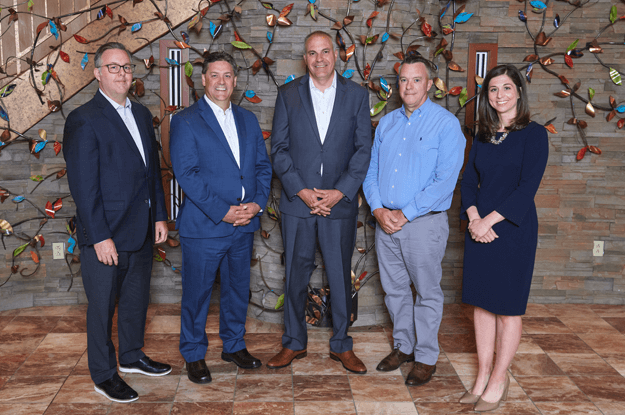
“As a Consulting Partner in our Public Sector & Not-for-Profit Industry, my team and I specialize in providing accounting and consulting services for a diverse range of government clients, including counties, cities, towns, villages, public school districts, BOCES, community colleges, and tax-exempt organizations. With our extensive experience, we excel in providing valuable solutions to our clients. Whether assisting with accounting standards, strategic planning, or internal control assessments, we provide our clients with the best path forward.”
Our Services
The Bonadio Group offers auditing, accounting, and consulting services to our Public Sector and Not-for-Profit organizations. School districts, public authorities, states, cities, counties, towns, and villages trust us to help them achieve their goals. We’re committed to exceeding expectations and ensuring satisfaction. Choose us for a fully dedicated partner in your success.
- Assistance With Required New York State Financial Reporting
- Budget Consulting
- Efficiency Studies
- Full Scale Financial Statement & Federal Single Audits
- Information Technology solutions
- Internal Audits
- Internal Control Assessments
- Outsource Accounting
- Transportation Advisory Services
GASB 87 Leases: Frequently Asked Questions
Why the Change?
GASB 87 was adopted to improve the relevance and consistency of financial reporting of government leasing activities. GASB believes that, under previous guidance, similar leasing activities were reported differently resulting in a lack of comparability between governments’ financial statements.
What is a Lease?
A lease is defined as a contract that conveys control of the right to use another entity’s nonfinancial asset (the underlying asset) as specified in the contract for a period of time in an exchange or exchange-like transaction.
What is a Nonfinancial Asset?
Examples of nonfinancial assets include buildings, land, vehicles, and equipment.
When is GASB 87 Effective? GASB 87 is Applicable for Fiscal Years Beginning after June 15, 2021.
What is the difference between capital and operating leases in the Statement? GASB 87 does not distinguish operating vs. capital leases. All leases are considered financing leases.
How are Short-Term Leases Defined and Treated in the Statement?
A short-term lease is defined as a lease that, at the commencement of the lease term, has a maximum possible term under the lease contract of 12 months (or less), including any options to extend, regardless of their probability of being exercised. Lessees and lessors should recognize short-term lease payments as outflows of resources or inflows of resources, respectively, based on the payment provisions of the contract.
What Should Lessees Record?
A lessee should recognize a lease liability and a lease asset at the commencement of the lease term. The lease liability should be measured at the present value of payments expected to be made during the lease term (less any lease incentives). The lease asset should be measured at the amount of the initial measurement of the lease liability, plus any payments made to the lessor at or before the commencement of the lease term and certain direct costs.
What Should Lessors Record?
A lessor should recognize a lease receivable and a deferred inflow of resources at the commencement of the lease term, with certain exceptions for leases of assets held as investments, certain regulated leases, short-term leases, and leases that transfer ownership of the underlying asset at the end of the lease term. The lease receivable should be measured at the present value of lease payments expected to be received during the lease term. The deferred inflow of resources should be measured at the value of the lease receivable plus any payments received at or before the commencement of the lease term that relate to future periods.
What is the Financial Statement Impact?
The notes to the financial statement will be expanded to include a description of the leasing arrangements, the amount of lease assets recognized, and a schedule of future lease payments to be made, five-year payout principal and interest requirements to maturity, and additional required disclosures. Additionally, there may be a restatement to net position in the first year of implementation because GASB 87 should be applied retroactively to the beginning balance of the earliest period presented.
What Steps Should I Take Now?
Take inventory of your leases – It is important to work with other component units and other departments that are outside of the finance office to identify a complete listing of lease arrangements. For example, the Highway Department may be renting equipment. Other examples where leases may exist include, the Sheriff’s Department (leased vehicles), Town Library (computers and printer leases), as well as other business-type entities that may have cell phone tower leases. Additionally, discussing with the Government’s legal department may be beneficial, as many lease arrangements are reviewed by a legal department.
Start determining the impact to financial statements – Whether you have only a small number or a significant number of leased assets, the disclosures to your financial statements may be impacted. The amount that is recorded may not be significant, however, disclosures will be added to your financial statements. It is important to begin to educate your Legislative Bodies on the overall changes that may be forthcoming as they relate to the new GASB leasing standard.
Don’t wait to implement – Avoiding surprises is important with all new accounting pronouncements. Given the number of internal departments that this may impact and the time and effort necessary to compile, value, and report the leases defined in this standard, it is important to begin the process of evaluation of the impact early on in your annual reporting cycle.
Engage Bonadio to assist with implementation – Bonadio has tools that will assist in determining the overall impact and journal entries associated with the various lease arrangements. As part of these tools, the lease calculation will be generated from various inputs that will be determined through collaboration. The use of these tools will help in determining the appropriate inputs, as well as assisting on the overall calculation and impact of the new GASB 87 standard.